

All coins of Didius Julianus are rare due to his exceptionally brief reign, which lasted only 66 days.
Following the assassination of Pertinax on 28 March AD 193, the Praetorian Guard effectively offered the imperial throne to the highest bidder. Didius Julianus, one of Rome’s wealthiest senators, secured the soldiers’ support by promising them an enormous donative and was subsequently confirmed as emperor by an intimidated Senate. The event became notorious as the disgraceful “auction of the Empire”.
Julianus’s authority lacked any stable foundation from the outset. Several commanders of the provincial armies declared against him, including Septimius Severus, whose troops marched on Rome. Abandoned by the Praetorians, Julianus was condemned to death by the Senate and executed on 1 June AD 193.
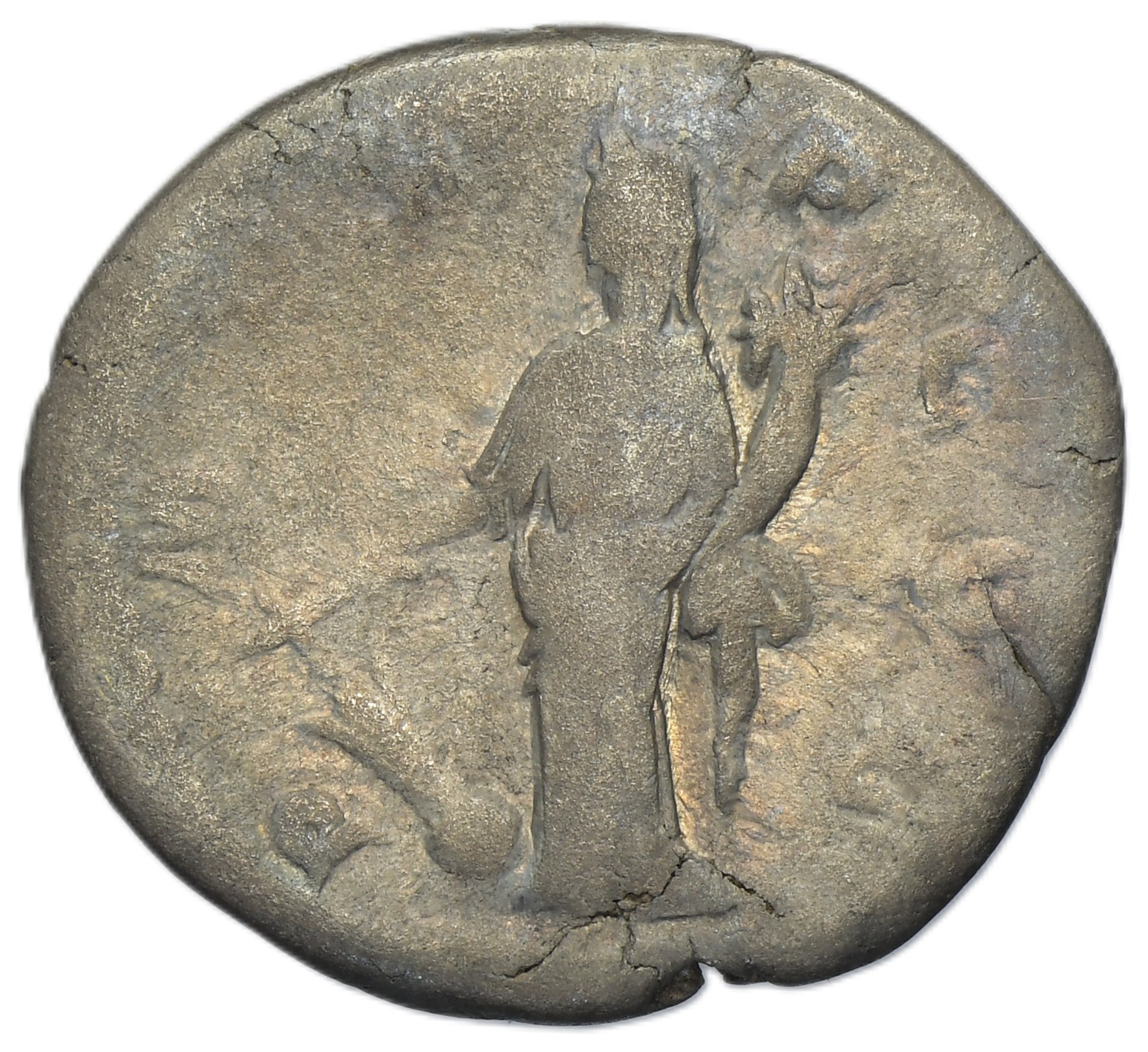
The reverse depicts Fortuna holding a rudder set upon a globe and a cornucopia. The rudder and globe symbolised control over the destiny of the world, while the cornucopia promised abundance and prosperity. On a coin of an emperor who acquired power through his wealth but lost it after only a few weeks, this image of changing fortune carries exceptional historical irony.
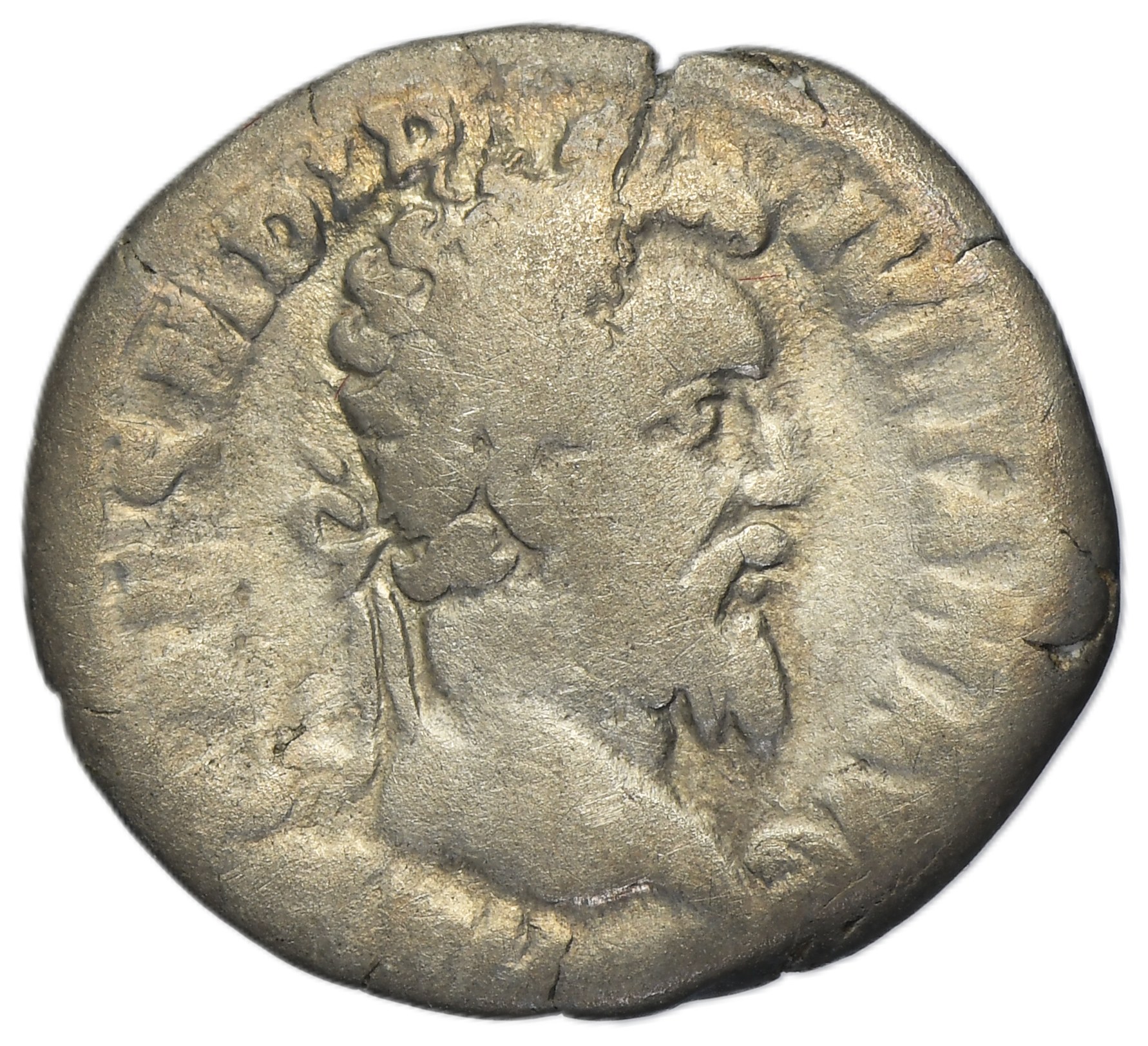
An example with a discernible, characteristic portrait of the emperor and an identifiable reverse design. Traces of extensive circulation, uneven surfaces and flan cracks.
A rare denarius of the emperor who acquired power in the notorious “auction of the Empire”, with an especially poignant depiction of Fortuna the personification of the changing fate that raised Didius Julianus to the throne and brought about his death only 66 days later.
Roman Imperial
Didius Julianus (193), Denarius 193, Rome mint
Obverse: head of the emperor facing right
IMP CAES M DID IVLIAN AVG
Reverse: Fortuna standing left, holding rudder on globe and cornucopiae
P M TR P COS
Diameter 18 mm, waga 2.31 g